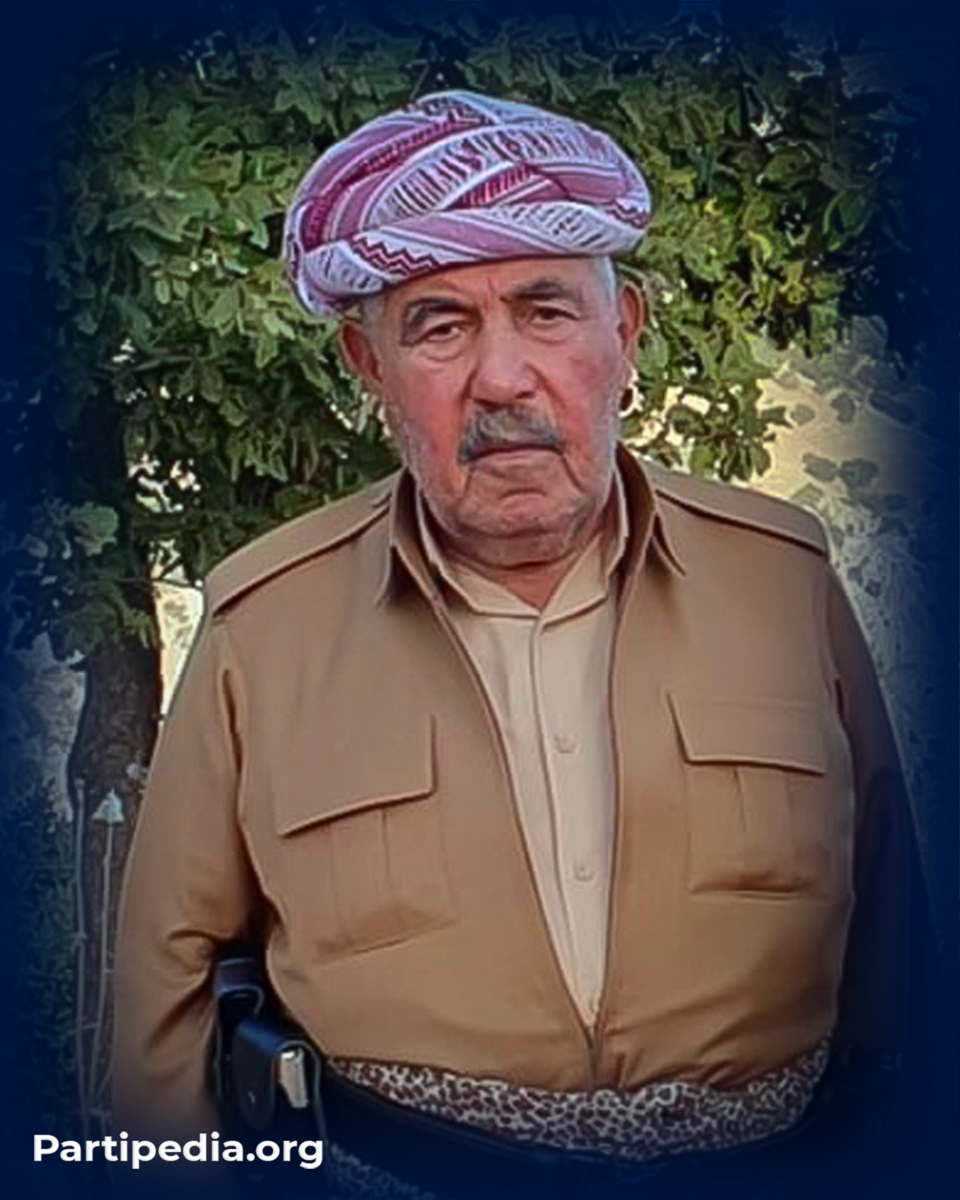


After the fall of the Shah of Iran, many Peshmerga fighters moved to southern Kurdistan, where Umm Halima's house became a shelter for Peshmerga forces. One of her sons, Ayub, joined the ranks of the Kurdistan Peshmerga in early 1982 and was martyred on February 10, 1982, in the village of Kurk. Her other son, Ismail, was martyred on September 29, 1984, in the Kamka Mountains near the villages of Aminki and Babukhki, and his body fell into the hands of the Iraqi army. Her third son, Salah, joined the Peshmerga after the martyrdom of his two brothers and was also martyred on July 20, 1986, in the Akre region. After the martyrdom of her three sons, Umm Halima's fourth son, Muhammad, known as Hammo, joined the Peshmerga forces and was martyred on April 19, 1987, on the main road between Dohuk and Amadiya.
The home of Umm Halima was always considered a Peshmerga headquarters, and she was held in high esteem by the people of the region. In 1985, she moved to the liberated areas and settled in the villages of Badia and Butia in the Zawita and Qaziwa region. In 1988, after the Anfal campaign and the chemical attacks by the Iraqi regime, she and her sons tried to go to northern Kurdistan, but the Iraqi army prevented them and forced them to return. They hid in a forest for a while, and the regime later arrested them for 14 days before releasing them due to protests by local residents.
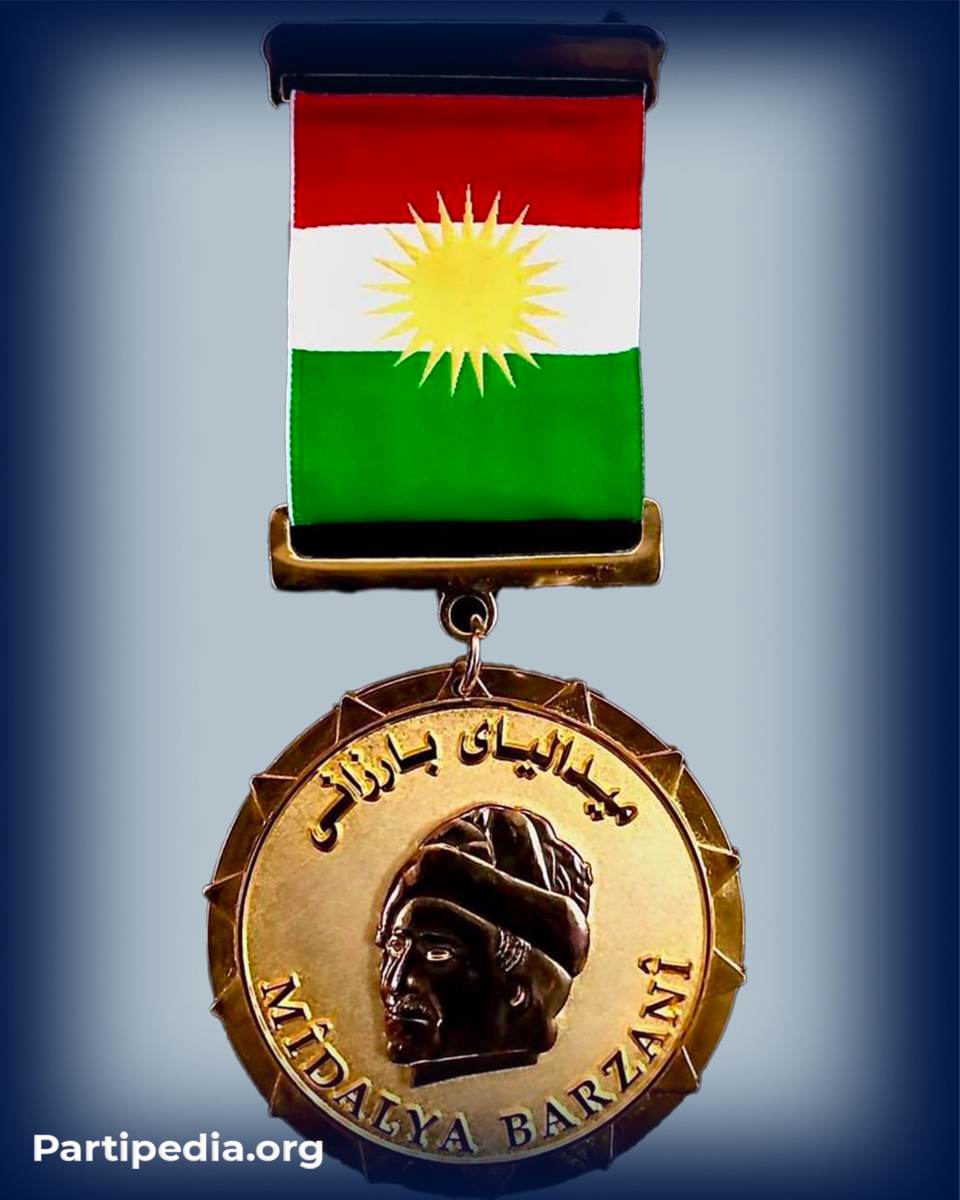
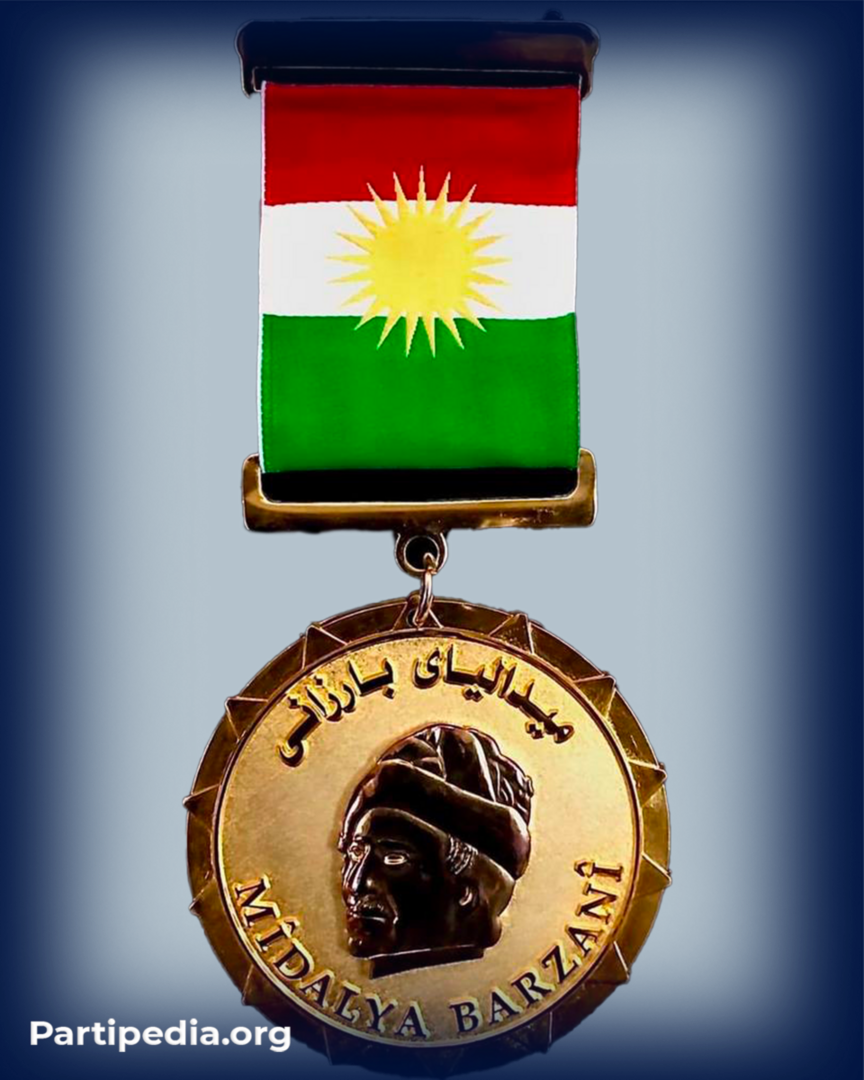
In 1991, she was at the forefront of the Kurdish uprising. She was awarded the Barzani Medal on August 16, 1996, on the occasion of the golden jubilee celebration of the Kurdistan Democratic Party.
Source:
1- Archive of the Encyclopedia Authority of the Kurdistan Democratic Party.