

The Kurdish situation before the Freedom Committee
Before the formation of the Freedom Committee, Kurdistan was in a difficult situation. On the one hand, the whole world was suffering from World War II, including Iraq, because the British used Iraqi oil and grain to continue the war. On the other hand, the Iraqi monarchy oppressed the Kurdish nation in every way and deprived it of all the normal rights that God and human laws have given to man.
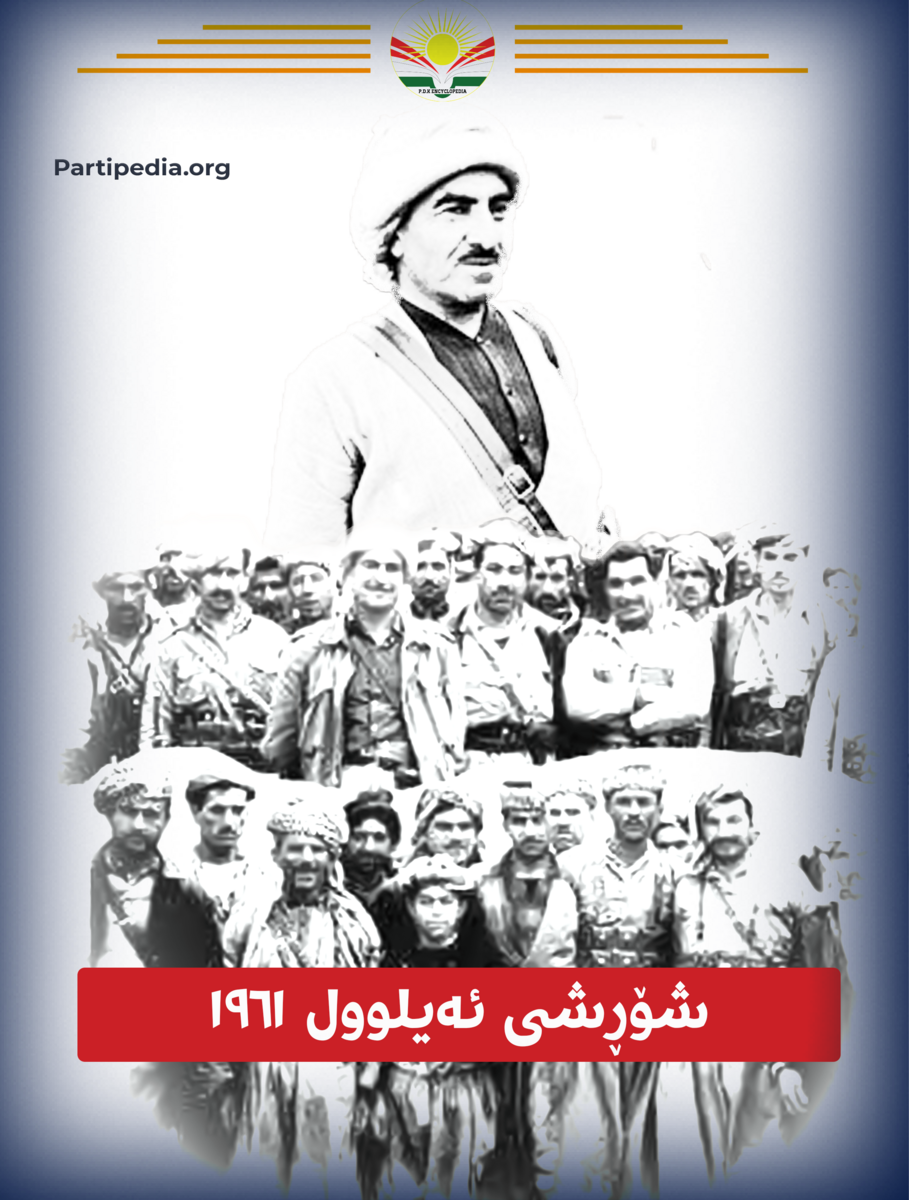
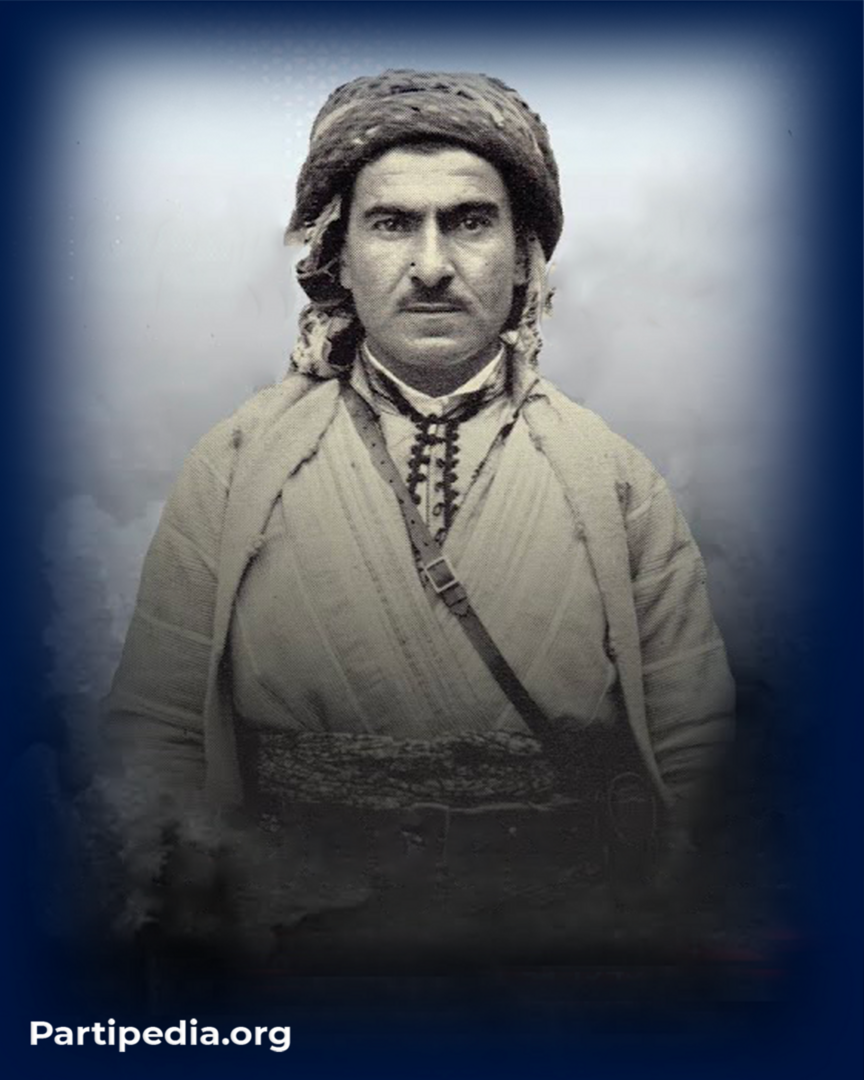
The neglect of the Kurds and their demands for rights led Mullah Mustafa Barzani to assess the level of support of the masses, especially the Barzanis, and for this purpose he began visiting the areas around Barzan village and visited prominent personalities of the region. During his visits, Barzani explained; He made his last efforts with the Iraqi government to resolve the issues peacefully, but his efforts were in vain. In 1943, Barzani decided to launch the second revolution and cleared the entire area of government soldiers.
After several battles; These included the battles of Goratu, Piran, Mergasur and Mazna, all of which were won by the revolutionaries. After the Hiwa Party spread rumors of Barzani's victories and the failure of successive governments in Baghdad, they forced the Iraqi government to demand negotiations These are
The achievements of the negotiations were:
1- Return of Sheikh Ahmadi Barzan to Barzan.
2- Appointment of a new administrative head for the region.
3. Sending food to the people of the area.
4. Appointment of liaison officers consisting of:
- Lieutenant Bahaaddin Sheikh Nuri - Sulaimani.
- Colonel Amin Ruandzi- Ruandz.
- Lieutenant Sayed Aziz Sayed Abdullah – Mergasur.
- Lieutenant Mirhaj Ahmad – Akre.
- Lieutenant Mustafa Khoshnaw – Barzan.
- Colonel Izzat Abdulaziz – Yes.
- Lieutenant Majid Ali – to Amedi.
- Lieutenant Fuad Arif – for Pzhder.
Establishment of the Freedom Committee
Several different governments were formed in Iraq in a short period of time, but for the Kurds there was little difference in their thinking and actions, which led Mala Mustafa Barzani to strengthen his social, political and military support. Politically, the Hiwa Party was inside and had branches in most Kurdish cities and Baghdad. Militarily, most of its communications officers had joined the army led by President Mustafa Barzani. This led General Barzani to think about forming a unified committee between the two communities. He discussed the plan with Sheikh Ahmadi Barzani and after receiving the approval of the Sheikh, on December 15, 1945, after several intensive meetings, Barzani and his fellow officers decided to form the Azadi Committee Barzani became the chairman of the committee and the following liaison officers were members of the committee:
- Ezzat Abdulaziz
- Mustafa Khoshnaw
- Abdulhamid Baqir
- Mohammed Mahmoud Qudsi
- Ahmed Ismail
- Shaukat Naaman
- Hifzullah Ismail
It was decided that Barzan would become the headquarters of this committee, and the Hiwa Party requested that the headquarters be moved to Barzan, because the leader of the Hiwa Party sent a letter to Barzani on December 30, 1945, requesting this. President Barzani liked the coordination between the two parties, but did not approve of the Hiwa Party moving its headquarters to Barzani, because this was politically harmful to the Kurdish liberation movement.
The Freedom Committee set the following program:
1- Kurdistan's liberation from oppression.
2. Establishment of an armed force to protect Kurdistan.
3. Striving for national peace.
4. Establishing brotherly relations with all national and freedom-loving parties and organizations in all regions of Kurdistan.
5. Conveying the voice of the Kurdish people and their oppression to the world public opinion and states through the embassies of states in Baghdad.
6. Shaming the enemy's policy towards the Kurdish people of the Baghdad government among the people through the media and demanding the implementation of the provisions of the 1943 agreement that stopped the war.
These points were well received by the people, youth and students. On February 10, 1945, Kurdish youth issued a statement in support of the Azadi Committee and conveyed it to most of the personalities, ambassadors and regions of Kurdistan and Baghdad.
On August 8, 1945, the Pachechi government issued a statement against Mullah Mustafa Barzani and decided to occupy the Barzani region by force, but the fighting did not start until August 25th. Barzani and the members of the Freedom Committee, each leading a front, decided to defend themselves and fought several heroic battles against the Iraqi and British armies, until some tribes joined the enemy and fought alongside the Iraqi army They did the liberation. This was a deadly blow to the Kurdish liberation movement, because Kurds were killed by Kurds in the fighting. This was difficult for Barzani and the Freedom Committee, so at the end of September Barzani ordered the commanders of the battlefields to retreat to Iranian territory.
Members of the Freedom Committee led by Mustafa Barzani played a significant role in the Kurdistan Republic Army in Mahabad in East Kurdistan.
resources:
1- Massoud Barzani, Barzani and the Kurdish Liberation Movement 1931-1958, first edition, (Khabat Printing House, Duhok, 1998).
2- Mustafa Mohammed Karim, Second Barzan Revolution Causes and Consequences 1943-1945, (Danishfar Printing House-Erbil-2022).