AI English Show Original

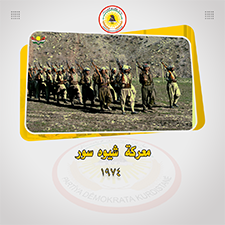
Battle of Shewa Sur, 1974

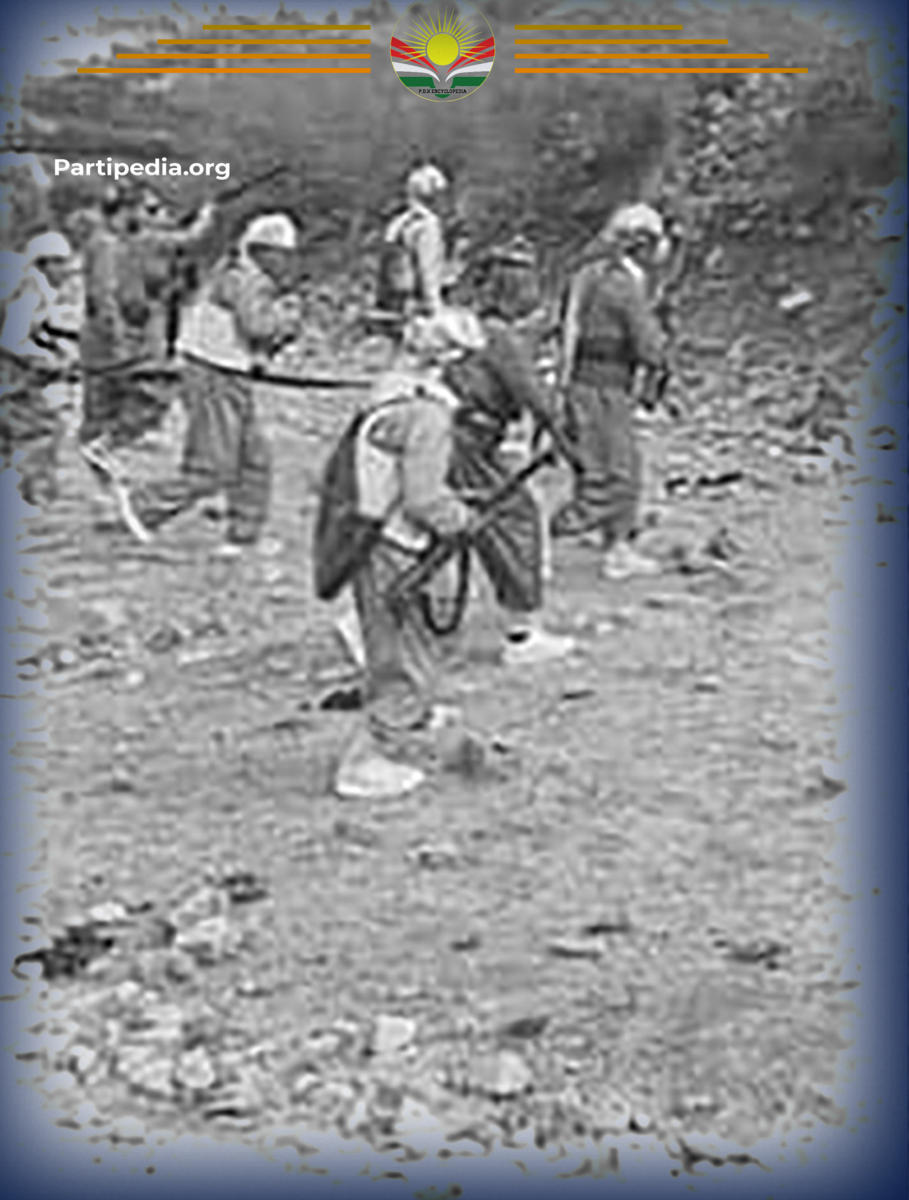
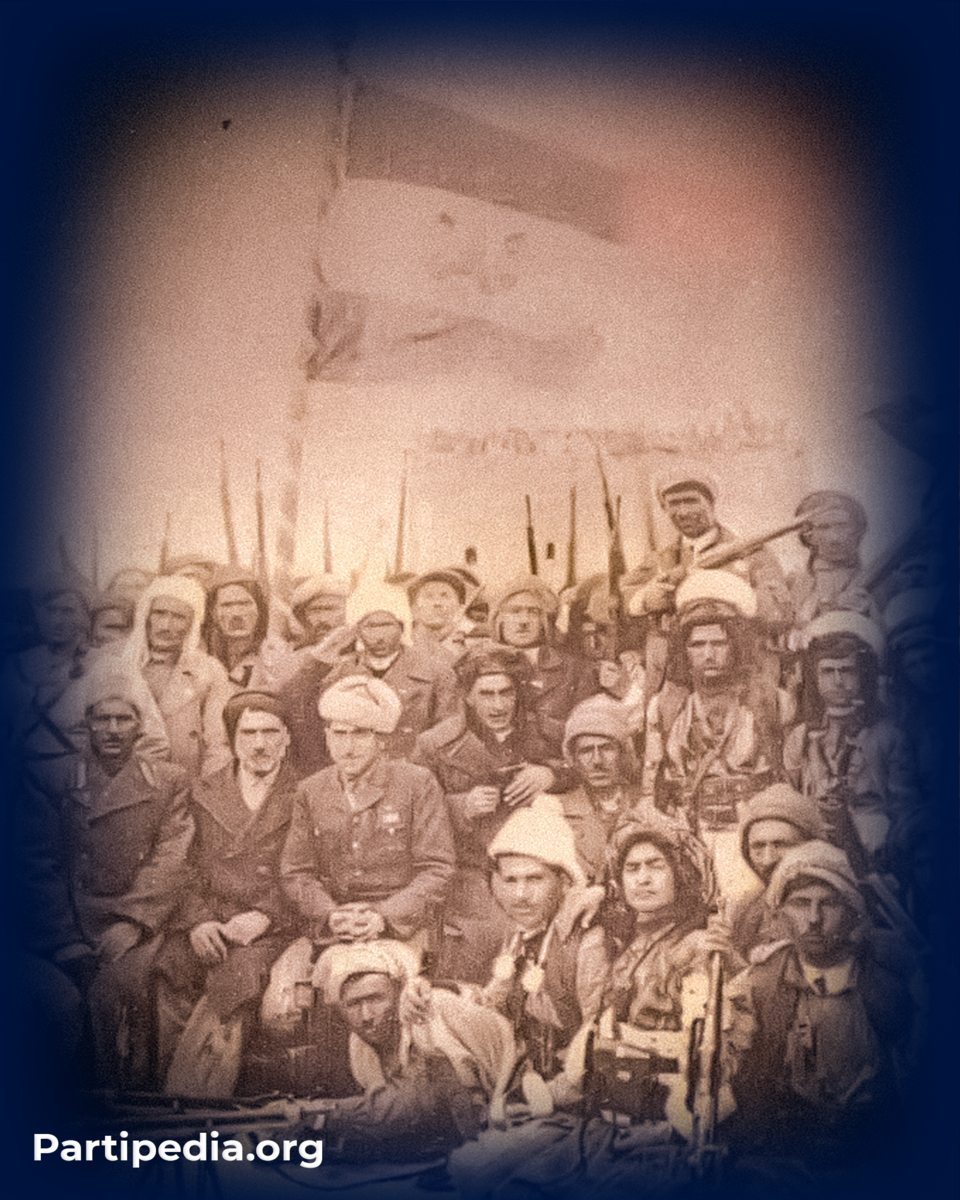
The Battle of Shewa Sur took place with the resumption of the Iraqi army’s attack on Kurdistan on April 25, 1974. Its objective was to seize all areas under the authority of the revolution and to abort the September Revolution. However, the Iraqi army failed in the Battle of Shewa Sur against the Peshmerga forces, leaving behind human and material losses, and was unable to achieve its long-term dream of seizing the Sangaw region.


On the morning of April 24, 1974, the Iraqi army launched its offensive against the Kurdish resistance, employing all its available resources on the battlefield with the objective of advancing and occupying all of Kurdistan. On April 25, 1974, a portion of the forces attempted to advance towards Sangaw and seize it before reaching Chamchamal via the Kirkuk-Sulaimaniyah route. This force consisted of the 2nd Regiment of the 4th Brigade of the 2nd Division – Kirkuk, in conjunction with a tank battalion leading the charge. The Iraqi army was unaware that the Peshmerga of the 1st Regiment of the 2nd Brigade – Kirkuk would confront them with exceptional bravery and high morale.

The Peshmerga forces were entrenched and fortified in the Shiwa Sur area and in a tight defensive position. They were like a solid structure in front of the advancing Iraqi forces. In addition, the Peshmerga planted anti-personnel and anti-tank mines in front of the Iraqi army. When the battle began, a number of Iraqi army tanks were destroyed. Meanwhile, Lieutenant Colonel Dhiaa Al-Din Jamal, commander of the Second Regiment, ordered that the advance of the tanks in the front be stopped except in necessary cases.


As the army's infantry continued their advance, they were suddenly met with Peshmerga rifle fire and mines. After eight hours of continuous fighting, the Iraqi army suffered heavy losses against the Peshmerga defenses. Dozens of soldiers were killed and others wounded, including the regiment commander's personal guard. Material losses included the destruction of six tanks, three armored vehicles, and several other military vehicles. Large quantities of light and medium weapons were also captured.


Sources:

  1. Sahnagher Ebrahim Khishnaw: “Woodawah Sahrbazikani Shih Eyilul 1970-1975”, “Chapi Yehchem”, Haholer, 2022.

  2. Karwan Gohar Muhammad: Idris Barzani 1944-1987


Related articles

Battle of Kospi Spi

When the Peshmerga forces captured the Rayat fortress (Qishla) on July 12, 1962, the entire Balkayti region became part of the liberated area of ​​the September Revolution. Although mercenary fighters occasionally appeared in several different areas, especially in the mountains surrounding Mount Helgurd, with the intention of causing chaos, they were quickly dispersed and driven out of the region by the Peshmerga forces.

More information

Battle of Kardz and Karzur 1969

This battle took place between the Peshmerga forces of the Erbil Plain and government-backed militias in late spring 1969 in the villages of Kardz and Karzur in the Erbil Plain. The Peshmerga forces were able to defeat the militias, inflicting heavy losses in lives and equipment and driving them out of the area, while suffering only minor losses themselves.

More information

Battle of the Zakho Gorge (April 1962)

In the series of battles and stories of the September Revolution, the Battle of Zakho Pass stands out as a significant engagement that demonstrated close coordination between Kurdistan Democratic Party (KDP) organizations within the Iraqi army and the delivery of information to Peshmerga commanders.

More information

Battle of Gujar

While the Iranian government managed to regain control of the Republic of Kurdistan by launching an attack, Mullah Mustafa Barzani and his forces were trying to escape through Iranian territory and return to their areas in Iraqi Kurdistan once again...

More information

Battle of Singan

The Battle of Sinjan was one of the battles that broke out after the collapse of the Republic of Kurdistan and the retreat of the Barzanis to the border areas between Iran and Iraq...

More information