

The evil intentions of the Baathists against the Kurdish people began after the February 8, 1963 coup when they formed the most infamous Baathist armed organization in the history of the Iraqi state, the National Guard. After negotiations reached a dead end, they quickly removed their masks through that organization and declared war openly in front of journalists. They also proudly announced that the Iraqi army was preparing for a picnic in the beloved north, and thus killing innocent Kurds... On June 10, 1963, the ruling Iraqi National Council decided to consider Erbil, Sulaymaniyah, Mosul, and Kirkuk as military zones and battlefields for the military operation.
The government’s goal was to focus on a specific front and engage in easy, intermittent battles on other fronts. It chose the Akre-Pirs front from among all the fronts, and its goal was to reach Barzan. This task was assigned to two divisions. The first division was led by Brigadier General Abdul Karim Farhan, and the second division was led by Brigadier General Ibrahim Faisal Al-Ansari for the Merkasur front. The implementation of the plan was under the direct supervision of the Minister of Defense, Saleh Mahdi Ammash, and the Chief of Staff of the Army, Tahir Yahya. Everyone believed that occupying Barzan would achieve for them the destruction of the revolution.
On June 15, 1963, forces from the 1st Division, supported by 5,000 mercenaries, attacked Mount Seri Akri. After a fierce battle, the Iraqi army captured this strategic position, inflicting 69 casualties on the Iraqi forces and 122 wounded. The mercenaries suffered 23 dead and 37 wounded. Following this, the Iraqi army prepared to occupy Mount Pirs.
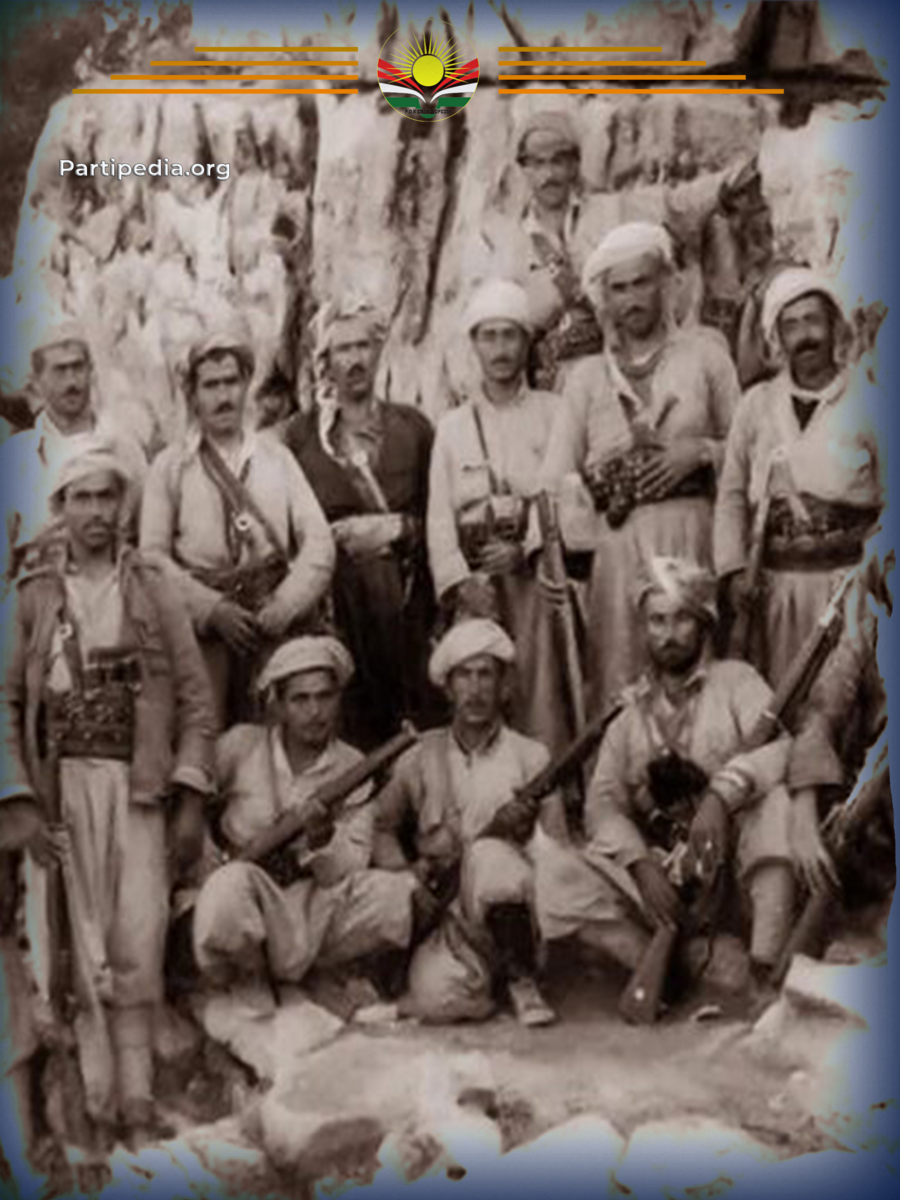
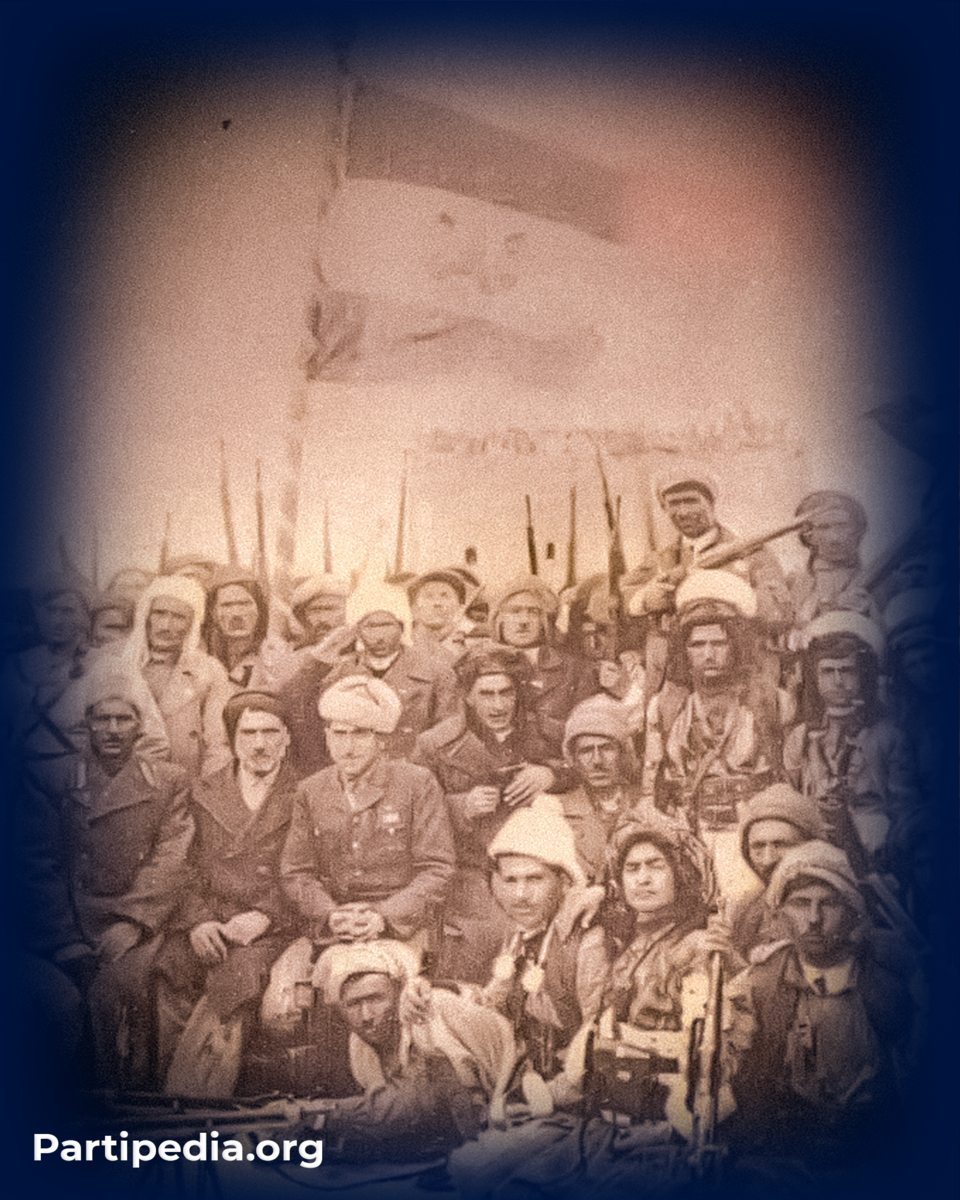
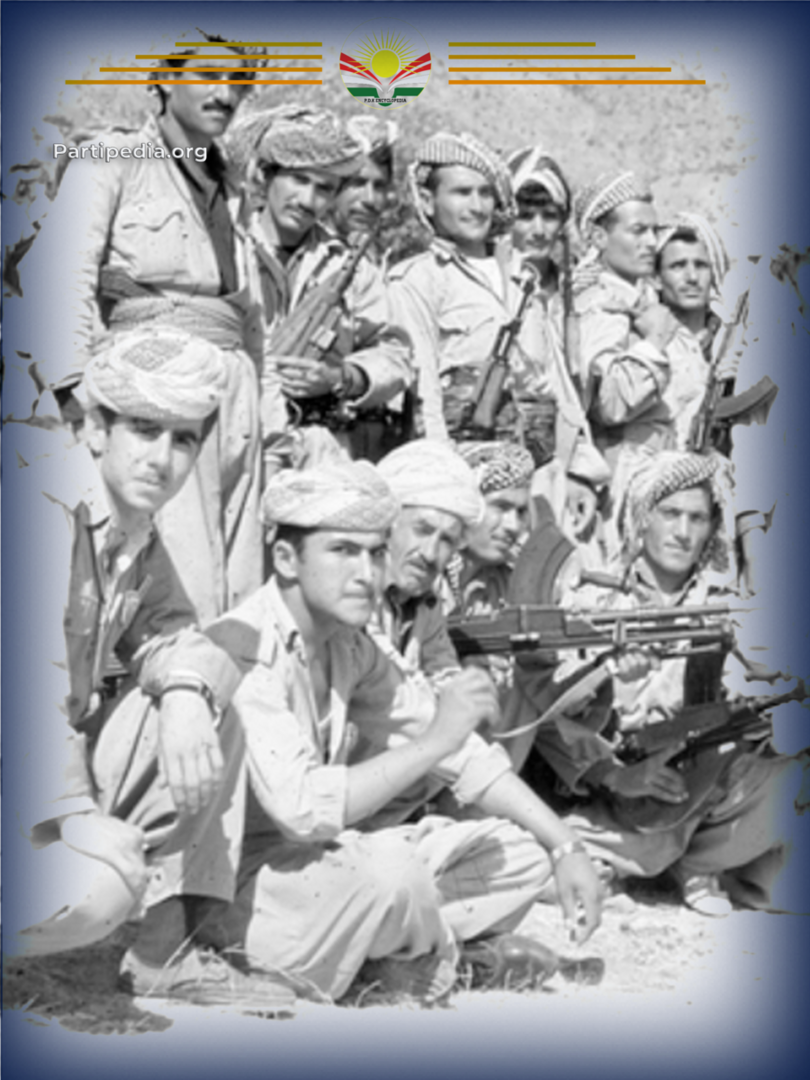
Upon receiving news of the Battle of Pirs, the leader of the revolution, Mulla Mustafa Barzani, he prepared to return to the battlefield. He had previously planned to go to Bradost, and in his place, he appointed Colonel Abdulkafi Nabavi as commander of the Spilik front and Abdullah Agha Peshdari as his assistant. He ordered them to make the Spilik front a defensive line, as the government was planning to move from that front to Mergasur. On the night of June 18-19, Mulla Mustafa Barzani went to the summit of the village of Sifti, located on the northern slope of Mount Pirs. This location had been under Iraqi government control, so four Hawker Hunter aircraft carried out a heavy bombing raid. As a result, they remained unharmed. Meanwhile, Barzani summoned Mulla Shani, the commander of the fighting front, and his assistants to discuss and devise a defensive plan. It was decided to reinforce the Peshmerga positions to protect the summit of Mount Pirs. On Barzani's orders, a force led by Omar Agha Dolamri went to the Shush area west of Mount Akri to attack the enemy from the rear. Similarly, a force led by Hadi went to the same location. Hasco to Sari Sada north of the Zinta Gorge to attack the enemy from the east. At the same time, Barzani ordered Colonel Abdul Kafi Nabawi to reinforce Spilik and intensify the pressure on the Third Brigade in the Khalifan area, which was then besieged by the Peshmerga.
On June 25, 1963, the Iraqi army, aided by ten thousand mercenaries and supported by two artillery battalions and four squadrons of MiG and Fury Hawker Hunter aircraft, launched a fierce attack on Mount Pirs. The bombardment was so intense that it seemed the entire mountain was ablaze. In that battle, the Peshmerga lacked sufficient ammunition; their weapons were very basic, and their artillery shells were scarce. This prompted the leader of the revolution, Mulla Mustafa Barzani, to always insist on conserving the limited ammunition available to them and avoiding its waste. Most of their weapons were simple, consisting of the English Short, Dargo, Brno, Brno machine gun, and 60mm cannon. Meanwhile, the government forces possessed a vast logistical capacity that was still incomparable. Regarding food for the Peshmerga, one of the Peshmerga responsible for delivering food and supplies to them indicated that... The people of the region were collecting food for the Peshmerga, and it mostly consisted of dry bread, kishk, lentils, and bulgur.
The fighting continued on Mount Pirs after the rebels inflicted heavy damage on government forces. On June 28, the government managed to capture the mountain. This capture came after the martyrdom of the commander of the Pirs Mountain front, Mullah Shani Bidaruni—one of Barzani's companions to the Soviet Union—along with five Peshmerga fighters on the evening of Thursday, June 27, due to heavy shelling on the left peak of the mountain. The Iraqi army's shelling covered a large area, with the Nizar region at the foot of Pirs Mountain to the north and Buruj at the foot of Shirin Mountain to the south being subjected to intense and targeted aerial bombardment. Civilians were more wounded than Peshmerga forces when the attack on Pirs began. An attack on the Shush and Sharman area, led by Omar Agha Dolamri, resulted in a major defeat for the attacking force, leaving behind several dead. Had Omar Agha not been wounded, the commander of the government force, Colonel Shaab Hardan, would have been captured. Hardan withdrew after being wounded, and Hormiz Malik Jaku took his place. According to a telegram from the army to the 1st Brigade of the 1st Division On June 28, they confessed to killing 27 people and wounding 51 others.
It is worth mentioning that many Peshmerga were martyred and wounded during the heroic defense in the Battle of Pirs and the other battles that followed, including: Din Kanilnji, Khan Bidaruni, Halki Dolamri, Hussein Muhammad Agha Mirksuri, Ahmad Rashashchi, Shit Sarkiri, Saeed Shirwani, and the martyrdom of others.
Sources:
1- Mamkhan Shirawani, Barzan and Rehki Barzanian, (Before Shayni, 1995).
2- Marwan Saleh Al Maarouf, Mustafa Barzani, Leader of the Kurdish Liberation Movement, (Haj Hashim Press, Erbil, 2018).
3- Masoud Barzani, Barzani and the Zagharikhwazi Kurd, Barzani and Bazhutnawi, Barzani, Barzani and the Ministry of Foreign Affairs - 2004.
4- Shakib Aqrawi, Years of Ordeal in Kurdistan, (Directorate of Culture Printing Press - Erbil - 2007).
5- Archive of the Encyclopedia Authority of the Kurdistan Democratic Party.
6- Shawkat Mala Ismail Hussein, may God have mercy on him, may God protect him, (Nosinghi Tafsir - Hewler - 2006).
7- Haji Mirkhan Dalimahi, “There is no need to do this, please, please” (2021).