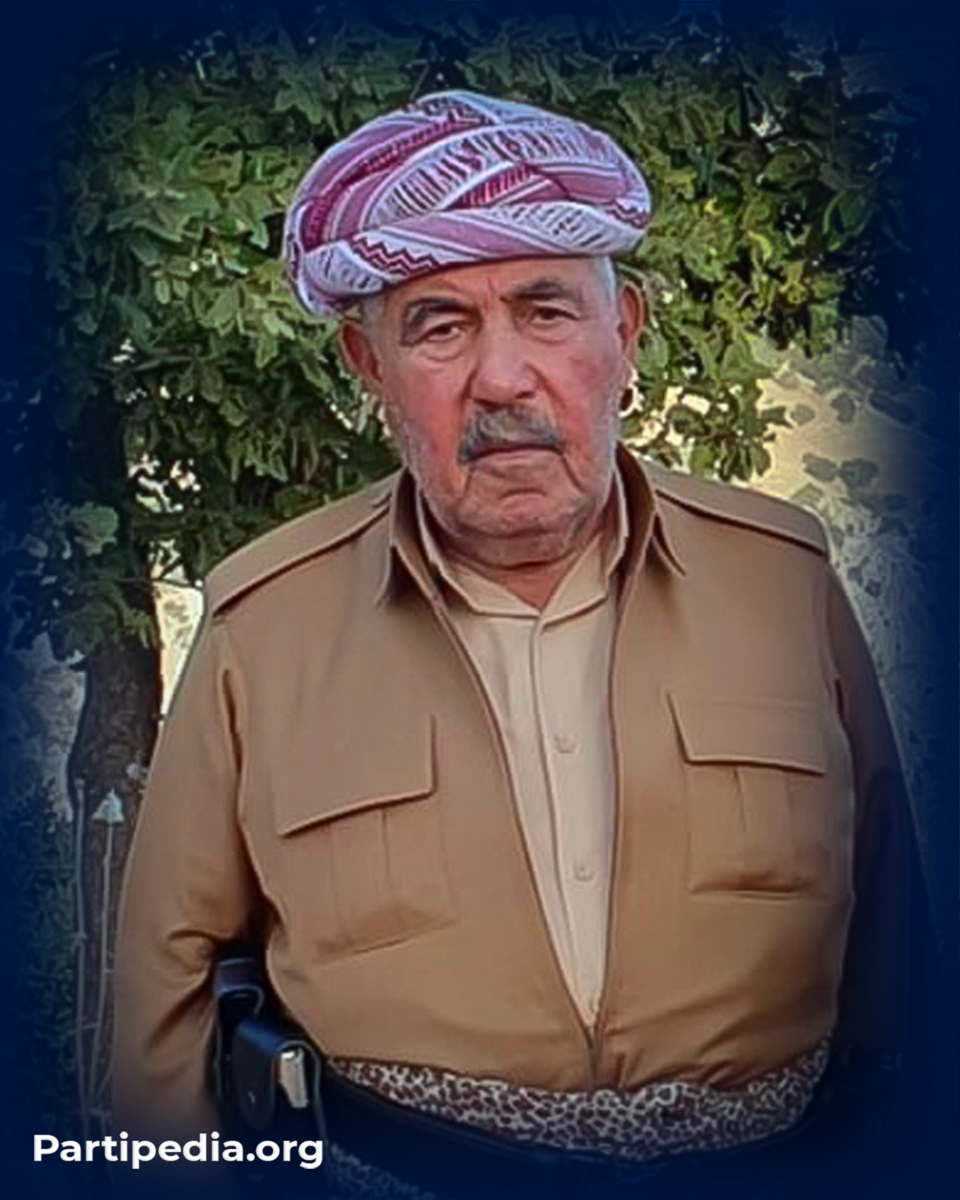


Fatah Guli was born in 1943 in the Batufa district of Zakho, Dohuk Governorate. He graduated from middle school in Zakho in 1961. After the setback September RevolutionHe sought refuge in Iran in 1975 and settled in Naghdeh. He was then transferred to Saraw Niloufar in Kermanshah, and from there to Kerman. In 1979, he returned to Zewa and worked as a Peshmerga fighter there until the ninth congress of the Kurdistan Democratic Party. He died from illness on June 24, 2007, and was buried in his hometown of Batufa.
In 1959, he joined the ranks of the Kurdistan Students Union. In 1961, he joined the Peshmerga forces of the September Revolution within the Ali Halo Battalion. In 1964, he was appointed to a battalion cadre, and in 1968, he was transferred to the Helgurd Force, a strike force led by Suleiman Haji Badri in the Qasri and Haji Omran regions, and was assigned the task of managing the force, remaining there until 1975.
In 1980, he was appointed head of the Zakho Local Committee in the first branch. In 1981, he was transferred to the Duhok Local Committee. In 1985, he was appointed head of the Amadiya Local Committee, and in 1986, he was appointed head of the Duhok Local Committee. In 1987, he became head of the Sheikhan Local Committee. In 1988, following the infamous Anfal campaign and the chemical attacks on the Badinan region, he and a group of his comrades went to the northern Doski region and settled there.
In 1991, he returned to southern Kurdistan after the Kurdish uprising and settled in Duhok. In 1992, he was appointed head of the Kurdistan Front in the Duhok region and head of the Duhok local committee. At the end of that year, he became commander of the First Army in Zakho. In 1995, he was appointed commander of the Zeravani forces in Duhok. In 1999, he was a member of a delegation Kurdistan Democratic Party He was invited by the Kingdom of Saudi Arabia to participate in performing the Hajj pilgrimage. In 2001, after the establishment of the eighth branch in Zakho, Fatah Guli was appointed as the branch's vice president.
During his life as a Peshmerga, he participated in several battles, including the Battle of Hasan Birka in 1980, the Battle of Wadi Duhok in 1982, the Battle of Wadi Zawita in 1982, the Battle of Derghing in 1984, the Battle of Sutki in 1987, and the epic of Khwakurk Dastan in 1988.
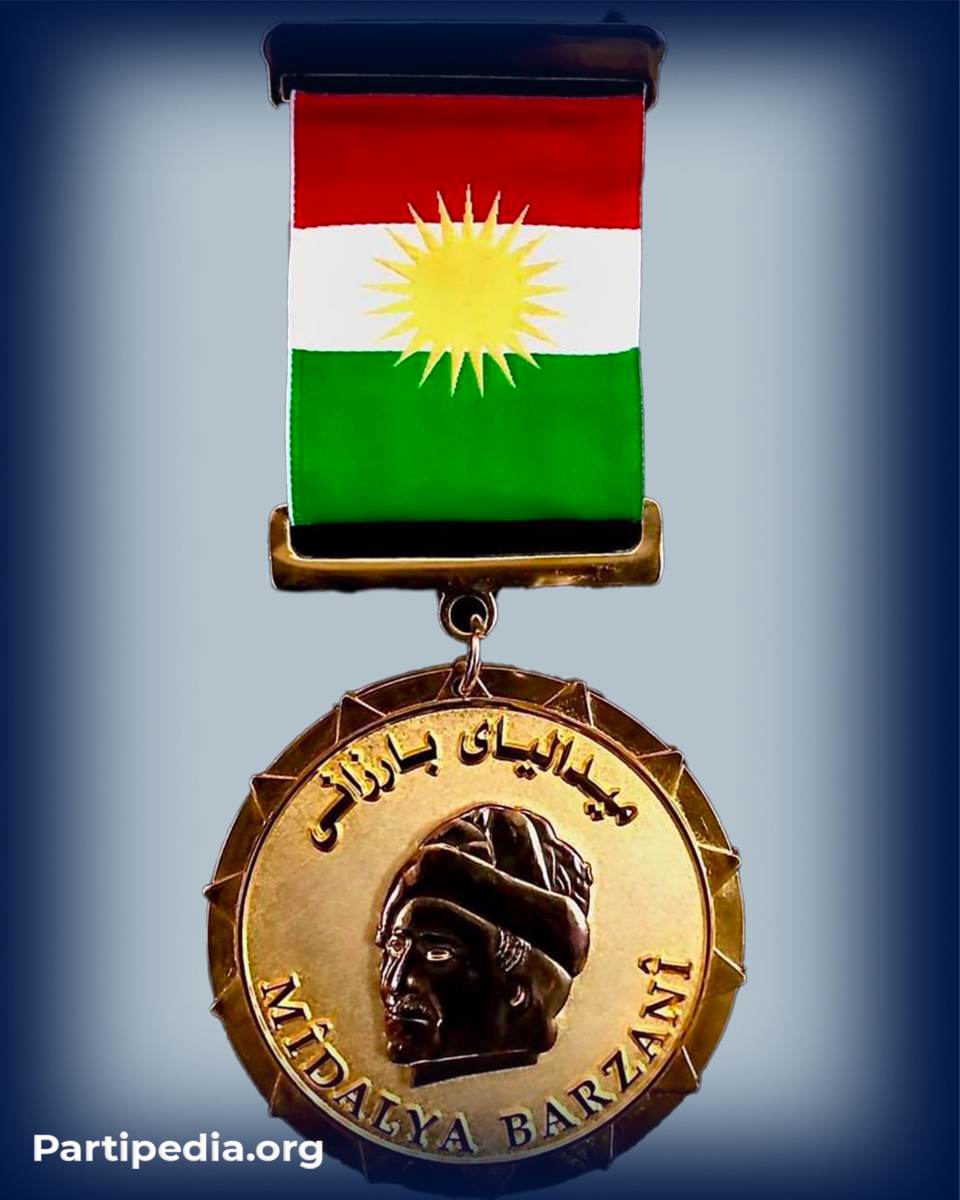
On August 16, 1996, during the golden jubilee of the Kurdistan Democratic Party, the President presented him with the award. Masoud Barzani The Barzani Medal is in recognition of his services to the Kurds, Kurdistan, and the Barzani approach.
Source:
1- Archive of the Encyclopedia Authority of the Kurdistan Democratic Party