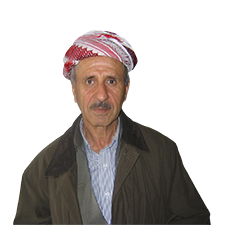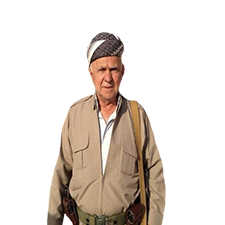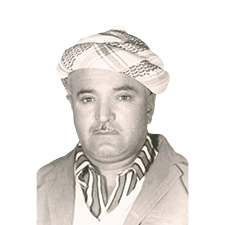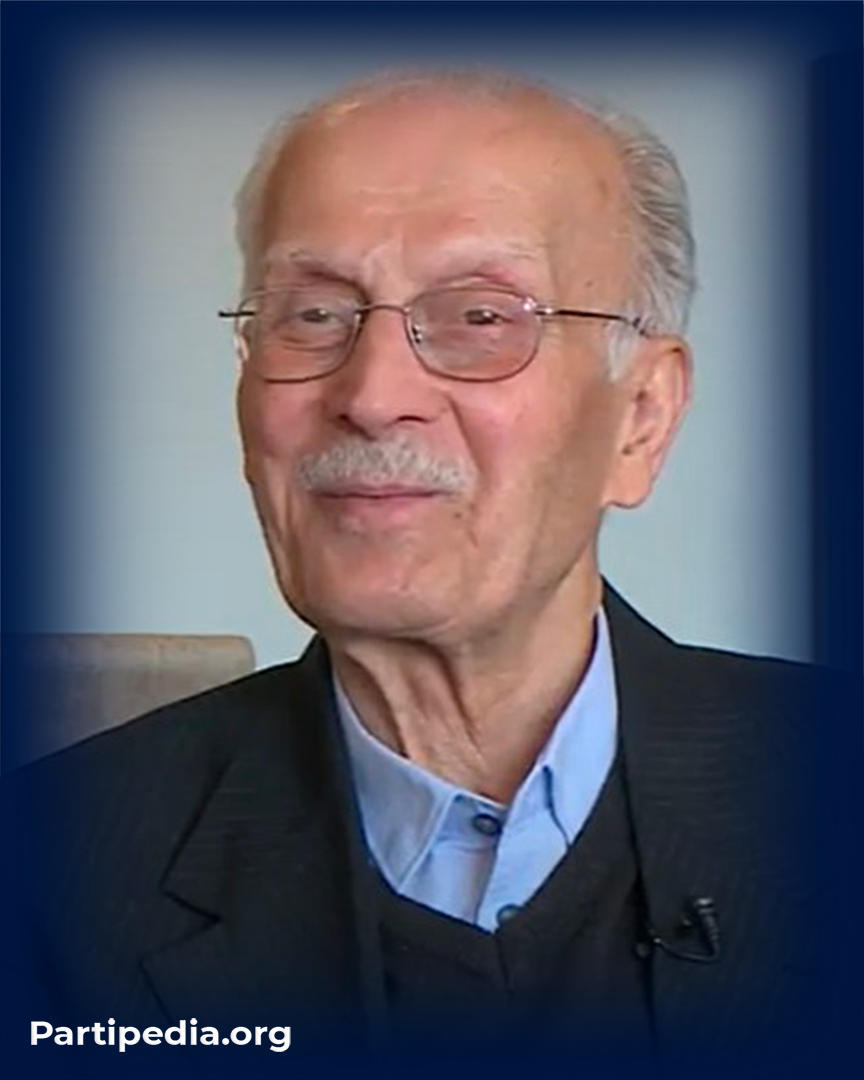


the biography
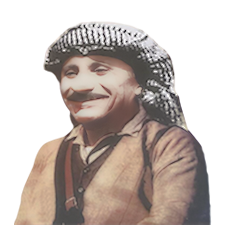
The martyr leader Abdul Qadir Hassan, known as Haji Qado Gravi, was born into a Kurdish family of fighters in Dola Shahidan (Khanouka) on the Iraqi-Turkish border in 1928.
pages of struggle
In 1958, he became involved with the secret organizations of the Kurdistan Democratic Party in the city of Zakho with Sayda Saleh Yousfi. At the beginning of the glorious September Revolution in 1961, he contacted the immortal Barzani upon his arrival in the Zakho region, and it was decided to appoint him as commander of a force formed under his command based on orders from the immortal Barzani, consisting of 150 people within the Zakho forces. In 1972, he became deputy commander of the third regiment of the Zakho forces, and after that, he became commander of the fourth regiment of the Zakho forces in 1974 until the setback of the glorious September Revolution.
Martyr Haji Qado carried out many party tasks and activities in the region and in Syrian Kurdistan and Turkey. He provided assistance to the Peshmerga forces, including sending supplies and clothing to the Peshmerga, in addition to many other needs and supplies during the September Revolution.
It is worth mentioning that the martyr sometimes provided assistance within the scope of the activities of the First Peshmerga Division at his own expense. The martyr participated in many battles, including: his distinguished role in the capture of Ain Zala, the Battle of Metina, the Battle of Kozit Gabanah, the Battle of Siyar and Spindara, the Battle of Dazi, the battles of Zakho on several occasions, the battles of Ibrahim al-Khalil, the Battle of Gawriya Omar Agha in 1974, in which he was the commander of the Zakho forces, repelling enemy attacks in the village of Haruri in 1977, and the major battle in Bilmberi in the Barwari Bala region in 1977, in which he was a commander.
He sought refuge in Iran after the setback of the September Revolution in 1975 and did not surrender to the enemy. He visited the region several months later to move and rescue his family from the area controlled by the enemy, and he succeeded in doing so and moving his family to Iran.
However, after reaching the village of Sero on the Turkish-Iranian border, they were detained by the defunct monarchy and handed over to the Iraqi authorities. They were released after two months of detention in Erbil and Duhok. Due to his fervent nationalist feelings, the martyr was compelled to return to the Turkish border and join the Gulan Revolution in 1976. He played a distinguished role in this revolution, establishing a very important headquarters within Iraqi Kurdistan in the village of Gofak, and became one of the leaders of the Gulan Revolution until his martyrdom on May 24, 1977, in the Battle of Bilmberi.
Source:
Archive of the Encyclopedia Authority of the Kurdistan Democratic Party.