AI English Show Original

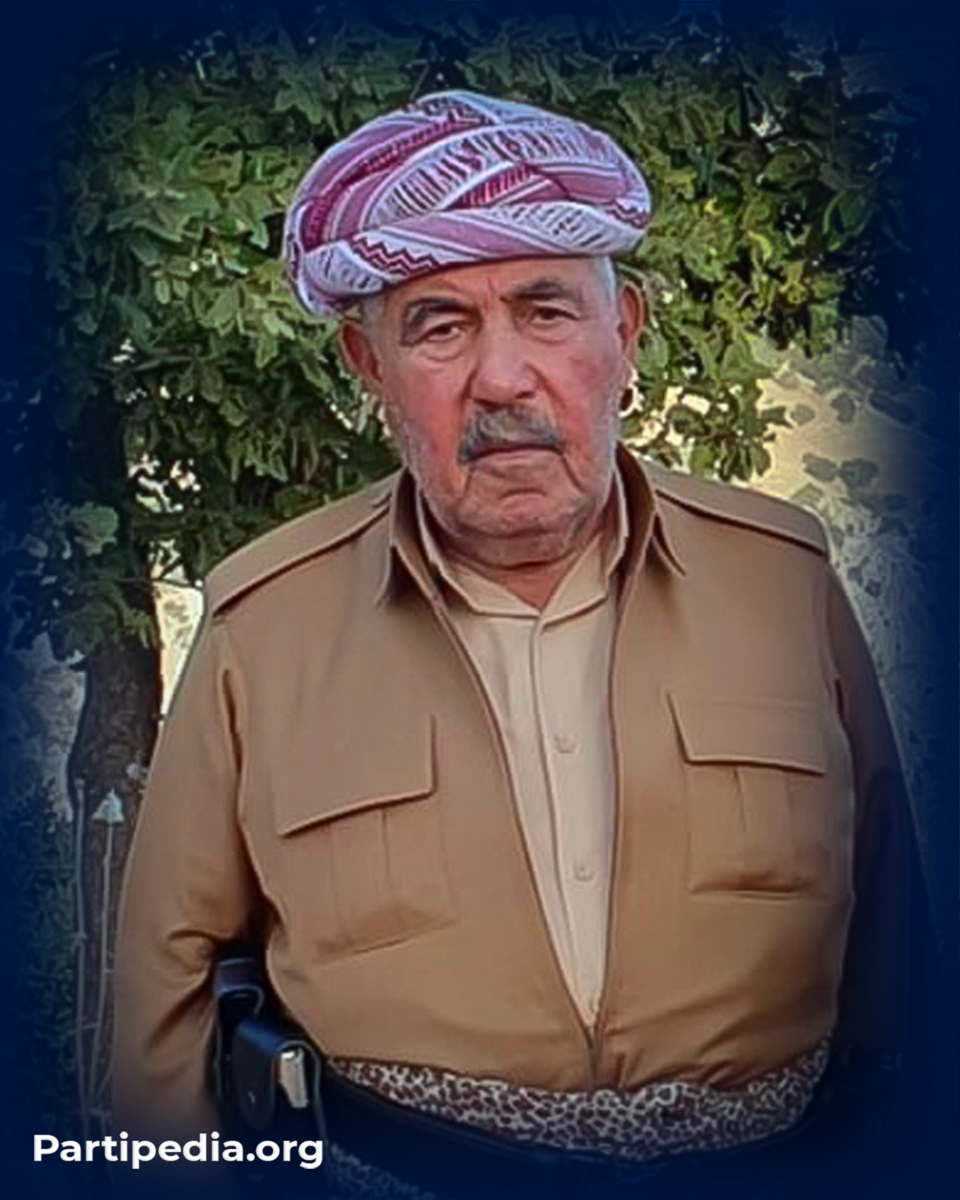
Haj Khadr Omar Aziz

Haji Khader Omar, known as (Haj Khader), was born in 1956 in the village of Bighbar in the Batifa region of Zakho district. He joined the September Revolution in 1974 and became a Peshmerga of the fourth Haji Qado regiment in Zakho, which was led by Issa Swar. He returned to his region after the setback of the September Revolution in 1975, and later joined the Golan Revolution, where he participated with the detachments of Maho Koda in most of the battles in 1983.


He became the head of the Khabat organization in the locality of Zakho. In 1988, after the infamous Anfal campaigns and the chemical bombing of the Badinan region, he went to northern Kurdistan, from where he was transferred to the Amed refugee camp. After the uprising in southern Kurdistan, he returned to the ranks of the Peshmerga forces in 1991 and became the head of the Bersiyav faction. In 1992, he assumed the position of commander of the first Zakho army, and in 1994, he became the commander of the regiments.

Hajj Khader Omar participated in the battles of Aluk and Sartak in 1978, and was wounded on January 14, 1978. He also participated in the Battle of Katina in the Qandil Mountains in 1983, and was wounded for the second time on September 22. When the Iraqi army attacked the local committee in Zakho in 1984, he was actively involved in the defense, and was wounded for the third time on September 1, 1984. In the same year, during his participation in the Battle of Afkani village on December 26, 1987, he was wounded for the fourth time. He was also wounded twice, on October 12, 1992, and November 28, 1992, while participating in the battles in the Zakho and Sari Diri areas.

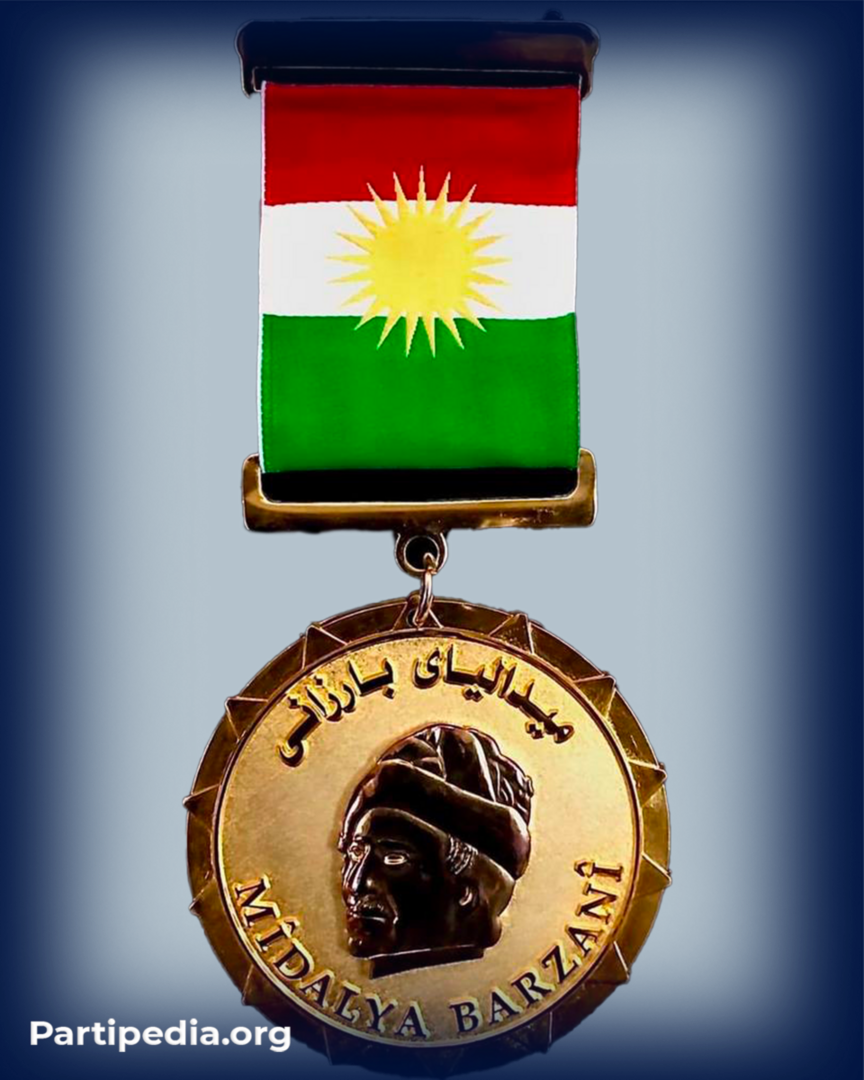
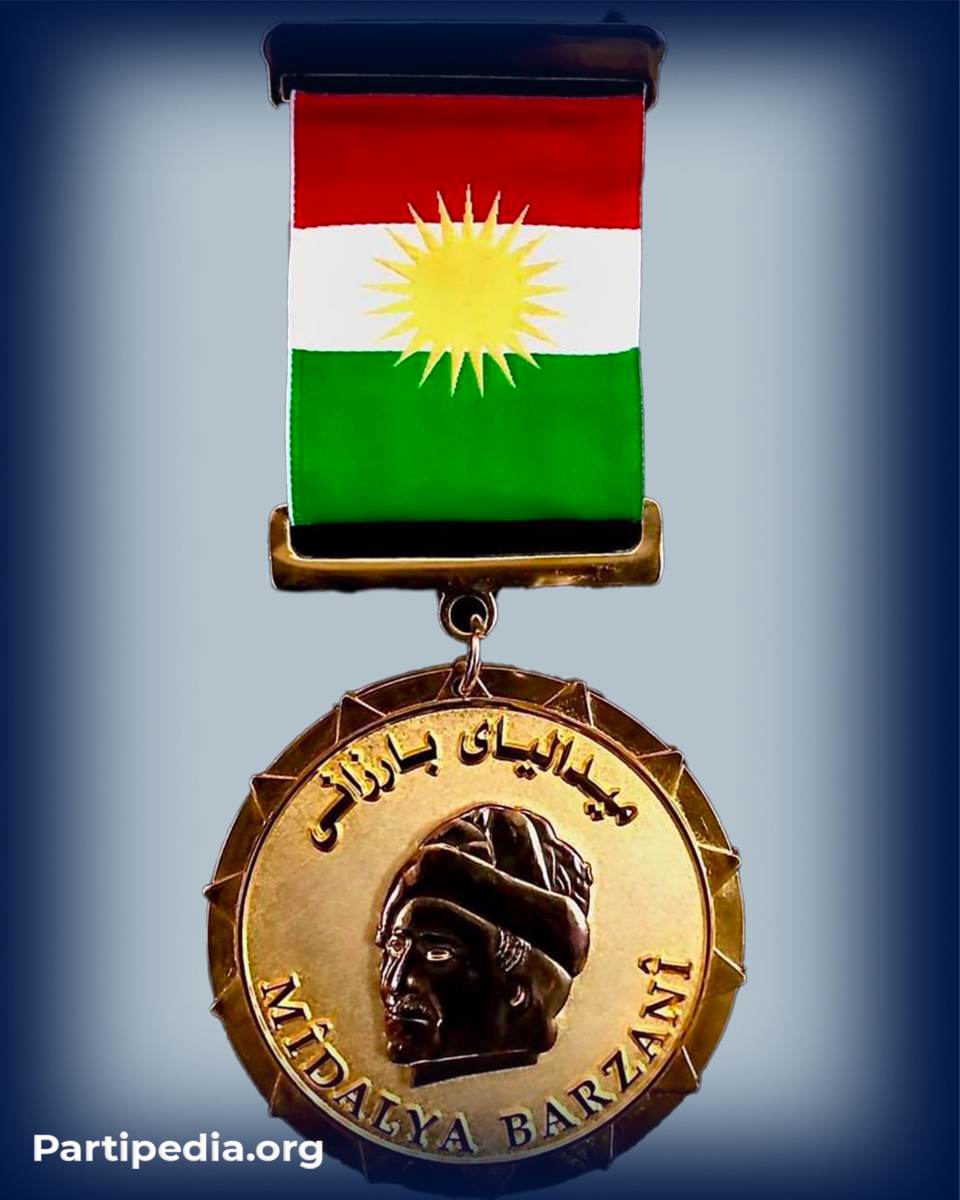
And in The 13th Congress of the Kurdistan Democratic Party In 2010, the President granted it Masoud Barzani Wissam Barzani was also granted the rank of Brigadier General and commander of a force in the First Sinjar Army.


Source:

1- Archive of the Encyclopedia Authority of the Kurdistan Democratic Party.

Related articles

Omar Ali Halo

Omar Ali Halo Sindi was born in 1949 in the village of Busal in the Darkar district of Zakho in the Duhok Governorate. Ali Halo’s father was the commander of the first Peshmerga regiment in Zakho in 1962. At that time, Omar Ali was responsible for managing his father’s writing business. On September 28, 1968, Ali Halo was martyred in the Battle of Batifa, and his son Omar took his place. He participated in the battles of Kamka and Mount Zakho.

More information

Ali Suleiman Abdullah Suleiman

Ali Suleiman Abdullah Suleiman was born in 1943 in Erbil Governorate. He joined the Peshmerga forces of the September Revolution in 1961. In 1964, he worked as a personal bodyguard for leader Mustafa Barzani. After the death of leader Mustafa Barzani, he became the personal bodyguard of President Masoud Barzani, and he holds the Immortal Barzani Medal.

More information

Ali Tili Kumi

Ali Tili Kemi, known as (Ali Tili), was born in 1945 in the village of Bibo, which belongs to the Nerwa Rekan district in the Amadiya district of Duhok Governorate. He joined the ranks of the September Revolution in 1961. He was awarded the Immortal Barzani Medal by President Masoud Barzani on December 16, 2010.

More information

My love is Arb Badin

Ashqi Arb Badin was born in 1936 in the Barzan region of Mergasur district in Erbil Governorate. He sought refuge in Iran in 1975 after the setback of the September Revolution. He joined the Peshmerga of the Gulan Revolution in 1979 within the Barzan forces. He returned to southern Kurdistan after the Great Uprising in 1991.

More information

Suleiman Ismail Jahangir

Suleiman Ismail Jahangir was born in 1927 in the village of Butia in Duhok Governorate. He joined the Kurdistan Democratic Party in 1959 and became a party cadre in 1961 within the Duhok local committee of the party’s first branch. He was assigned as the head of the Peshmerga wing of the Duhok local committee.

More information