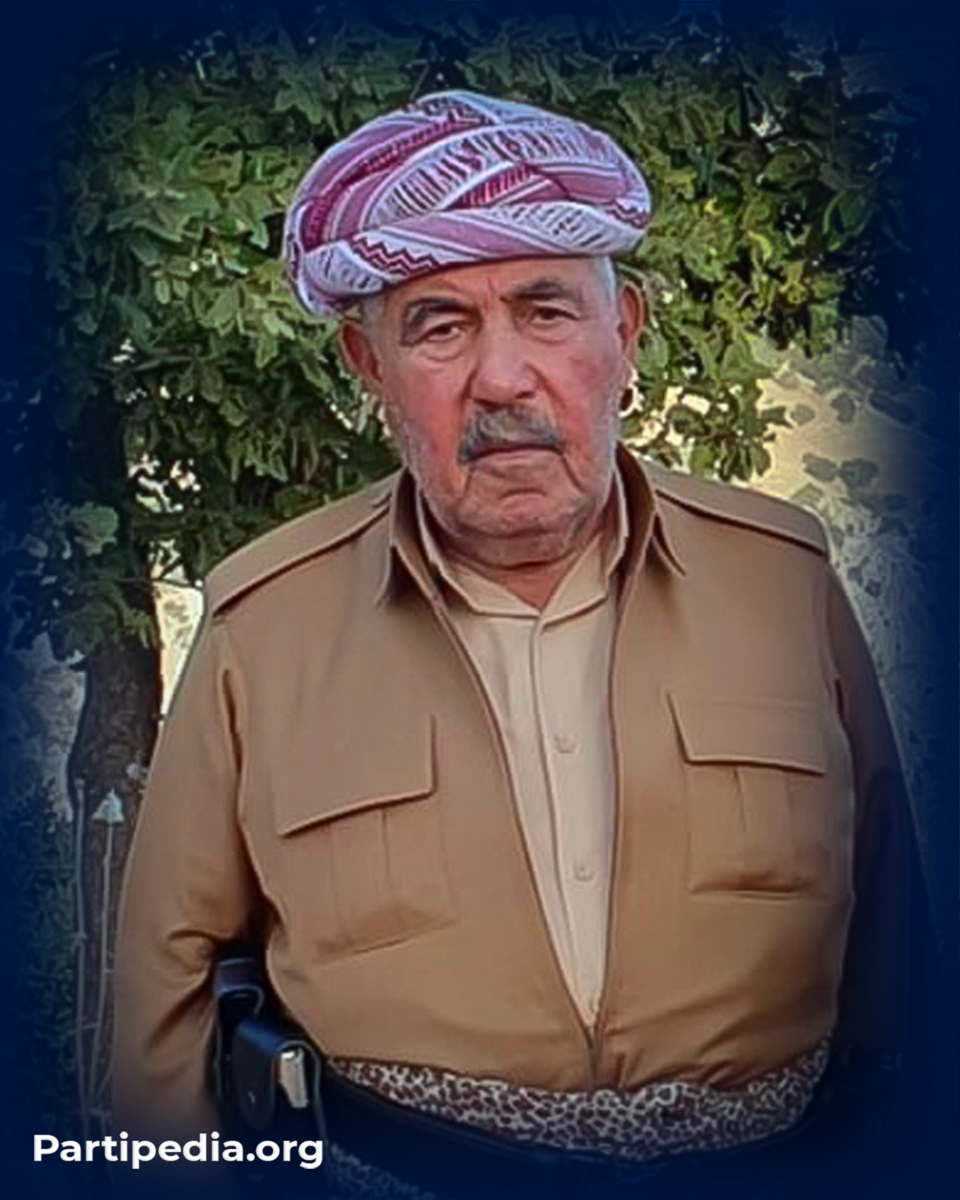


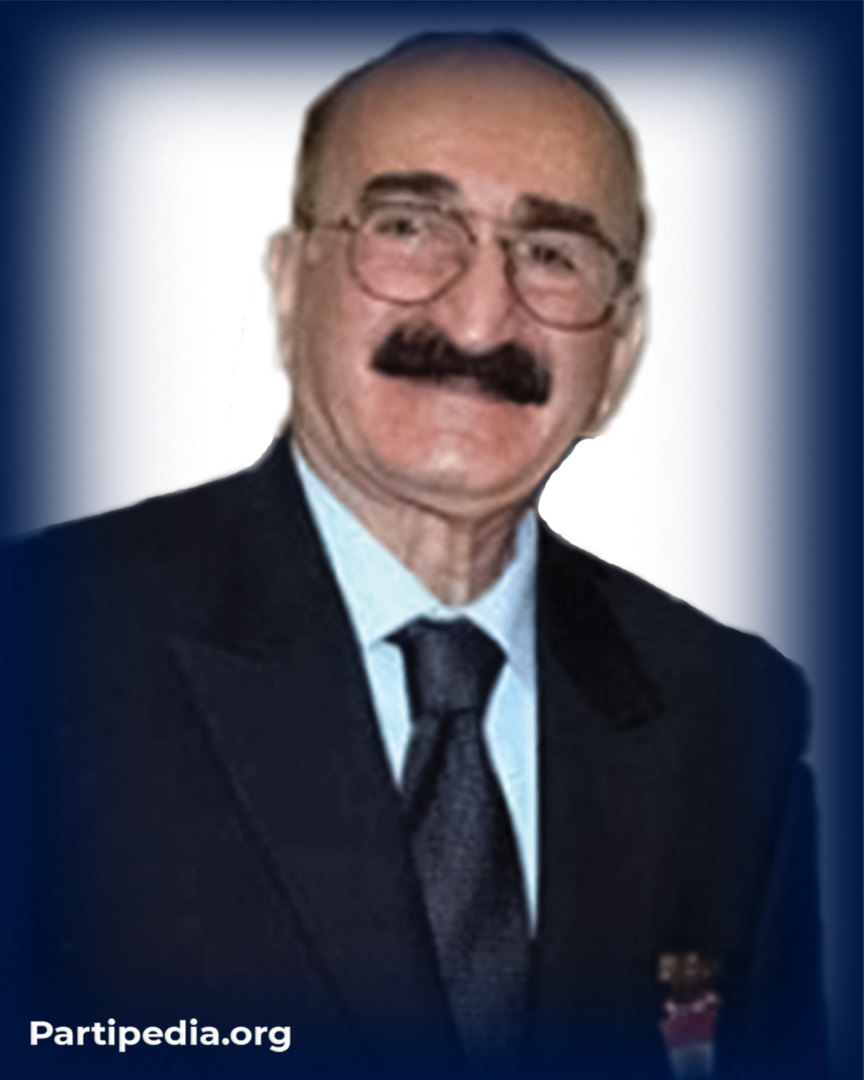
In 1961, he joined the Kurdistan Students Union and became a member. In 1963, he joined the organizations Kurdistan Democratic PartyAfter graduating from college, he was appointed head of the drama department at the Kurdish radio station in Baghdad. In 1973, he founded the Peshwaran (Vanguards) theater troupe. In 1974, he became the director of a theater and cinema in [location missing]. September RevolutionIn the Penjwen region, he was seriously wounded in the bombing of the city of Qaladiza by Iraqi army aircraft, and in 1975, after the setback September RevolutionHe returned to Sulaymaniyah and was appointed as an assistant scientific researcher at the University of Sulaymaniyah, supervising the university's theater, and was one of the founders of the university's theater group.
In 1976, he became the director of the Cultural Center at the University of Sulaimani, and from 1980 to 1991 he was a teacher in the Theater Department at the Sulaimani Institute of Fine Arts. In 1982, through Fadhil Raouf, he became involved with the secret organizations of the Fourth Branch of the Kurdistan Democratic Party, and in 1991, he participated in the Kurdish uprising in Sulaimani against the Iraqi government. He became the director of Kurdistan TV.ktv(After its establishment in 1991 in the city of Sulaymaniyah.)
On May 19, 1992, he was elected on the list Kurdistan Democratic Party He represented Sulaimaniyah in the first session of the Kurdistan Parliament. In 1993, he was appointed Deputy Minister of Culture in the Kurdistan Regional Government. In 1999, he became the head of the Kurdistan Artists Association and also lectured at the College of Fine Arts at Salahaddin University in Erbil. The Kurdistan Artists Association published a magazine called "Shakar," which he oversaw. He was also the head of the Salar Theater and the owner of the theater magazine.
He was a member of the Kurdish Writers Union, the Kurdistan Journalists Syndicate, and the Kurdistan Parliamentarians Union. He visited Germany, Egypt, Iran, and Sweden to participate in international seminars on theater and cinema. Some of his plays have been translated into English, Arabic, Persian, and Greek, and he has performed in theaters in several countries. He is a member of the World Peace Organization.
Ahmed Salar received numerous local, Iraqi, and international awards for his work in theater and drama. In 1961, he won the Iraqi National Decoration Award, and in 1972, he was awarded the Golden Baban Medal for Best Kurdish Actor. In 1977, he won the Best Director Award at the First Iraqi University Theater Festival, and in 1984, he received the Iraqi Theater Performance Medal. In 1978, he was awarded the Honorary Iraqi Universities Award. He also received the Gold Medal on the occasion of the 70th anniversary of the Sulaimaniyah City Theater, the Shield of Honor from the Iraqi Artists Union, the World Peace Award from the Kurdistan Peace Organization, and many other awards and honors. He has been honored on several occasions, and his theatrical career has been celebrated.
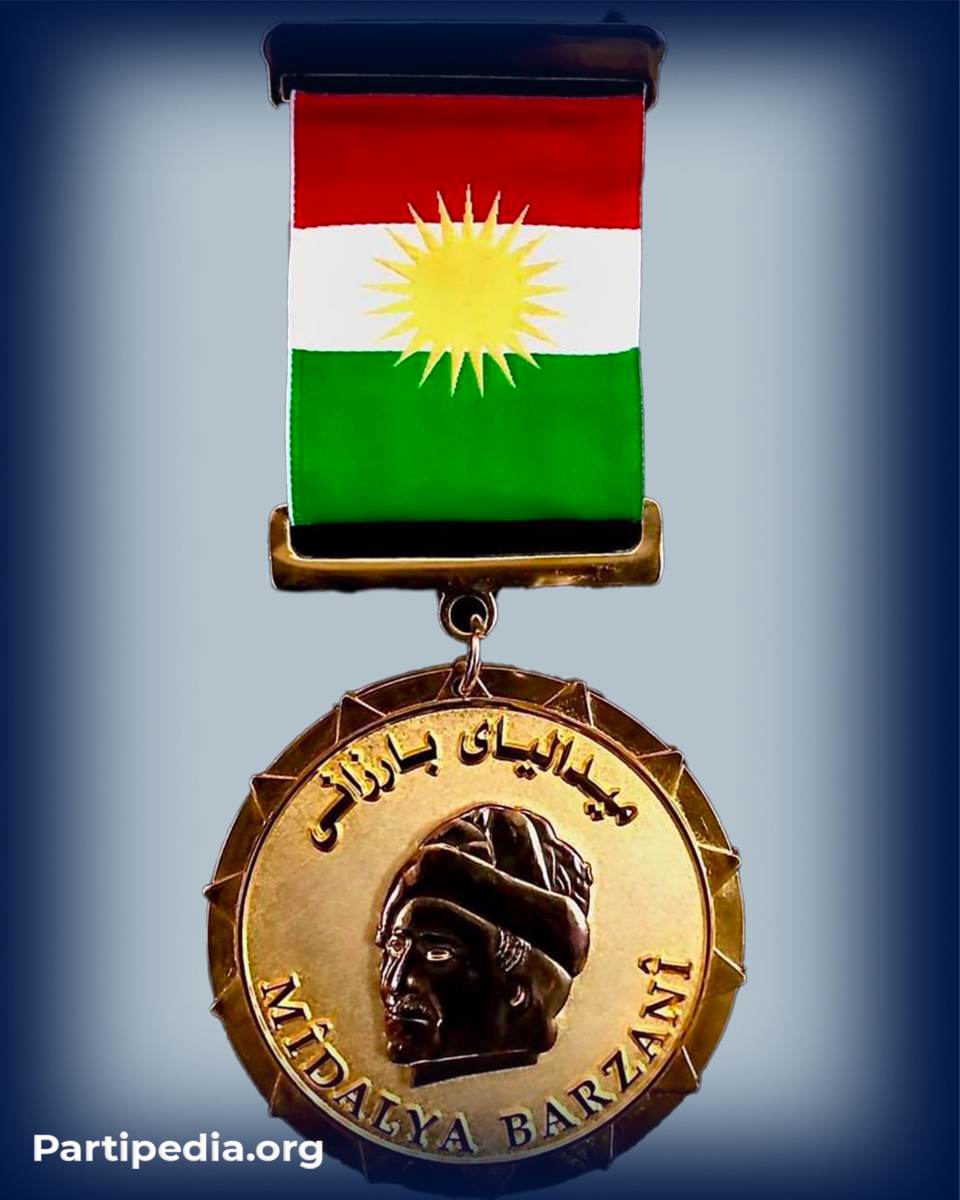
On August 27, 2012, he received the Barzani Medal from the President Masoud Barzani For his services in the field of theater, drama, and other fields.
His products:
Ahmed Salar wrote more than 36 plays and authored 40 books, 24 of which were about theater. He performed in hundreds of theatrical productions and participated in numerous dramas and films as a writer, actor, and director. His total theatrical and artistic output includes 32 theatrical directorial works, 19 theatrical acting roles, 17 television dramas, 8 films, and 4 radio dramas. His theatrical and artistic works consist of 30 to 60 episodes, totaling 200 productions.
Here are some of the works of the artist Ahmed Salar:
1968 year.
Your name is Gilit - the year 1969.
Khabat - Year 1970.
Kawai Aasinger - year 1970.
From Marofam - Year 1970.
Glor - Year 1970.
This was the year 1970..
Year 1971.
Ewaniyah Lahjiroon - Year 1971.
Acceptance - Year 1971.
Janabi Movtish - year 1971.
Itembilji - year 1972.
Pisces That Per - Year 1972.
Georgia Perezhan - year 1972.
Go to Khoynawi Iran - year 1972.
Shochara - Year 2006.
ئارەزوو - Year 2018.
Source:
Archive of the Encyclopedia Authority of the Kurdistan Democratic Party